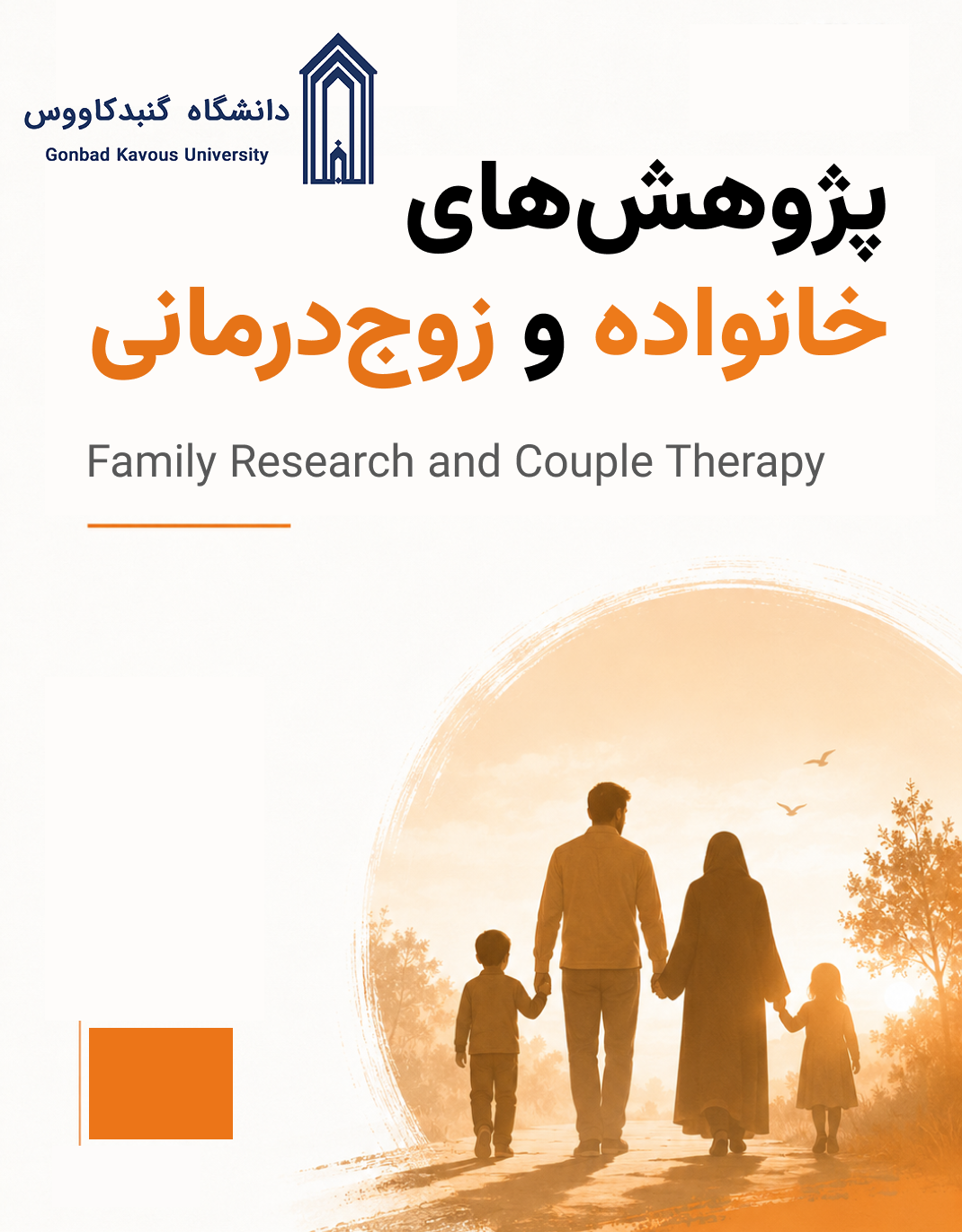
بررسی اثربخشی زوجدرمانی مبتنی بر هیجان بر ترمیم پیوند عاطفی، کاهش دفاعمندی و افزایش امنیت دلبستگی در زوجهای در آستانه طلاق
کلمات کلیدی:
زوجدرمانی مبتنی بر هیجان, پیوند عاطفی, دفاعمندی, امنیت دلبستگی, طلاق, پژوهش کیفی, تحلیل مضمون.چکیده
هدف: هدف پژوهش حاضر تبیین تجربه زیسته زوجهای در آستانه طلاق از اثربخشی زوجدرمانی مبتنی بر هیجان در ترمیم پیوند عاطفی، کاهش دفاعمندی و افزایش امنیت دلبستگی بود.
مواد و روشها: این پژوهش با رویکرد کیفی و روش تحلیل مضمون انجام شد. مشارکتکنندگان شامل ۱۸ نفر، معادل ۹ زوج، از زوجهای مراجعهکننده به مراکز مشاوره خانواده در شهر تهران بودند که به دلیل تعارض شدید، فرسودگی رابطهای یا اقدام برای طلاق، دوره زوجدرمانی مبتنی بر هیجان را تجربه کرده بودند. نمونهگیری بهصورت هدفمند انجام شد و تا دستیابی به اشباع نظری ادامه یافت. دادهها فقط از طریق مصاحبههای نیمهساختاریافته فردی و زوجی گردآوری شد. مدت هر مصاحبه بین ۴۵ تا ۷۵ دقیقه بود. مصاحبهها پس از کسب رضایت آگاهانه ضبط، واژهبهواژه پیادهسازی و با استفاده از نرمافزار NVivo تحلیل شدند. برای افزایش اعتبارپذیری یافتهها از بازبینی مشارکتکنندگان، مرور همتایان، یادداشتبرداری تحلیلی و مقایسه مستمر کدها استفاده شد.
یافتهها: تحلیل دادهها به استخراج چهار مقوله اصلی منجر شد: «بازشناسی نیازهای دلبستگی و ترمیم پیوند عاطفی»، «کاهش دفاعمندی و خروج از چرخه سرزنش ـ کنارهگیری»، «افزایش دسترسیپذیری، پاسخدهی و درگیری هیجانی»، و «بازسازی اعتماد و تصمیمگیری آگاهانه درباره ادامه رابطه». مشارکتکنندگان گزارش کردند که زوجدرمانی مبتنی بر هیجان با تغییر تمرکز از اتهام و کنترل به آسیبپذیری، نیاز عاطفی و پاسخدهی همدلانه، امکان تجربه دوباره امنیت رابطهای را فراهم کرده است. کاهش حالت تدافعی، افزایش توانایی نامگذاری هیجانهای اولیه و بازتعریف تعارض بهعنوان اعتراض به گسست عاطفی از مهمترین پیامدهای تجربهشده بود.
نتیجهگیری: یافتهها نشان داد زوجدرمانی مبتنی بر هیجان میتواند برای زوجهای در آستانه طلاق بستری درمانی فراهم کند که در آن الگوهای دفاعی و چرخههای منفی تعامل به گفتوگوی آسیبپذیرانه، پاسخدهی هیجانی و بازسازی پیوند دلبستگی تبدیل شوند.
دانلودها
مراجع
Ainsworth, M. D. S., Blehar, M. C., Waters, E., & Wall, S. (1978). Patterns of attachment: A psychological study of the Strange Situation. Lawrence Erlbaum.
Beasley, C. C., & Ager, R. (2019). Emotionally focused couples therapy: A systematic review of its effectiveness over the past 19 years. Journal of Evidence-Based Social Work, 16(2), 144–159.
Bowlby, J. (1969). Attachment and loss: Vol. 1. Attachment. Basic Books.
Bowlby, J. (1973). Attachment and loss: Vol. 2. Separation: Anxiety and anger. Basic Books.
Braun, V., & Clarke, V. (2006). Using thematic analysis in psychology. Qualitative Research in Psychology, 3(2), 77–101. doi:10.1191/1478088706qp063oa
Burgess Moser, M., Johnson, S. M., Dalgleish, T. L., Lafontaine, M.-F., Wiebe, S. A., & Tasca, G. A. (2016). Changes in relationship-specific attachment in emotionally focused couple therapy. Journal of Marital and Family Therapy, 42(2), 231–245. doi:10.1111/jmft.12139
Christensen, A., & Heavey, C. L. (1990). Gender and social structure in the demand/withdraw pattern of marital conflict. Journal of Personality and Social Psychology, 59(1), 73–81. doi:10.1037/0022-3514.59.1.73
Doss, B. D., Roddy, M. K., Wiebe, S. A., & Johnson, S. M. (2022). A review of the research during 2010–2019 on evidence-based treatments for couple relationship distress. Journal of Marital and Family Therapy, 48(1), 283–306. doi:10.1111/jmft.12552
Gottman, J. M. (1994). What predicts divorce? The relationship between marital processes and marital outcomes. Lawrence Erlbaum.
Gottman, J. M., & Levenson, R. W. (1992). Marital processes predictive of later dissolution: Behavior, physiology, and health. Journal of Personality and Social Psychology, 63(2), 221–233. doi:10.1037/0022-3514.63.2.221
Greenberg, L. S., & Johnson, S. M. (1988). Emotionally focused therapy for couples. Guilford Press.
Greenman, P. S., & Johnson, S. M. (2022). Emotionally focused therapy: Attachment, connection, and health. Current Opinion in Psychology, 43, 146–150. doi:10.1016/j.copsyc.2021.06.015
Hazan, C., & Shaver, P. (1987). Romantic love conceptualized as an attachment process. Journal of Personality and Social Psychology, 52(3), 511–524. doi:10.1037/0022-3514.52.3.511
Hoseini, Z., Mootabi, F., & Pazhoohi, F. (2022). Cultural adaptation of emotionally focused therapy for Iranian couples: A qualitative study. Contemporary Family Therapy, 44(3), 234–247.
Johnson, S. M. (2004). The practice of emotionally focused couple therapy: Creating connection (2nd ed.). Brunner-Routledge.
Johnson, S. M. (2019). Attachment theory in practice: Emotionally focused therapy (EFT) with individuals, couples, and families. Guilford Press.
Johnson, S. M. (2020). The practice of emotionally focused couple therapy: Creating connection (3rd ed.). Routledge.
Johnson, S. M., & Greenberg, L. S. (1985). Emotionally focused couples therapy: An outcome study. Journal of Marital and Family Therapy, 11(3), 313–317. doi:10.1111/j.1752-0606.1985.tb00624.x
Johnson, S. M., Hunsley, J., Greenberg, L., & Schindler, D. (1999). Emotionally focused couples therapy: Status and challenges. Clinical Psychology: Science and Practice, 6(1), 67–79. doi:10.1093/clipsy.6.1.67
Lebow, J. L., Chambers, A. L., Christensen, A., & Johnson, S. M. (2012). Research on the treatment of couple distress. Journal of Marital and Family Therapy, 38(1), 145–168. doi:10.1111/j.1752-0606.2011.00249.x
Lincoln, Y. S., & Guba, E. G. (1985). Naturalistic inquiry. Sage.
Mikulincer, M., & Shaver, P. R. (2016). Attachment in adulthood: Structure, dynamics, and change (2nd ed.). Guilford Press.
Papp, L. M., Kouros, C. D., & Cummings, E. M. (2009). Demand–withdraw patterns in marital conflict in the home. Personal Relationships, 16(2), 285–300. doi:10.1111/j.1475-6811.2009.01223.x
Sandberg, J. G., Knestel, A., & Bradford, A. B. (2024). Toward a culturally sensitive application of Emotionally Focused Couples Therapy. Family Process, 63(2), 620–636.
Spengler, P. M., Lee, N. A., Wiebe, S. A., & Wittenborn, A. K. (2024). A comprehensive meta-analysis on the efficacy of emotionally focused couple therapy. Couple and Family Psychology: Research and Practice, 13(2), 81–99. doi:10.1037/cfp0000233
Tong, A., Sainsbury, P., & Craig, J. (2007). Consolidated criteria for reporting qualitative research: A 32-item checklist for interviews and focus groups. International Journal for Quality in Health Care, 19(6), 349–357. doi:10.1093/intqhc/mzm042
Wiebe, S. A., & Johnson, S. M. (2016). A review of the research in emotionally focused therapy for couples. Family Process, 55(3), 390–407. doi:10.1111/famp.12229
Wiebe, S. A., Johnson, S. M., Burgess Moser, M., Dalgleish, T. L., Lafontaine, M.-F., & Tasca, G. A. (2017). Two-year follow-up outcomes in emotionally focused couple therapy: An investigation of relationship satisfaction and attachment trajectories. Journal of Marital and Family Therapy, 43(2), 227–244. doi:10.1111/jmft.12206